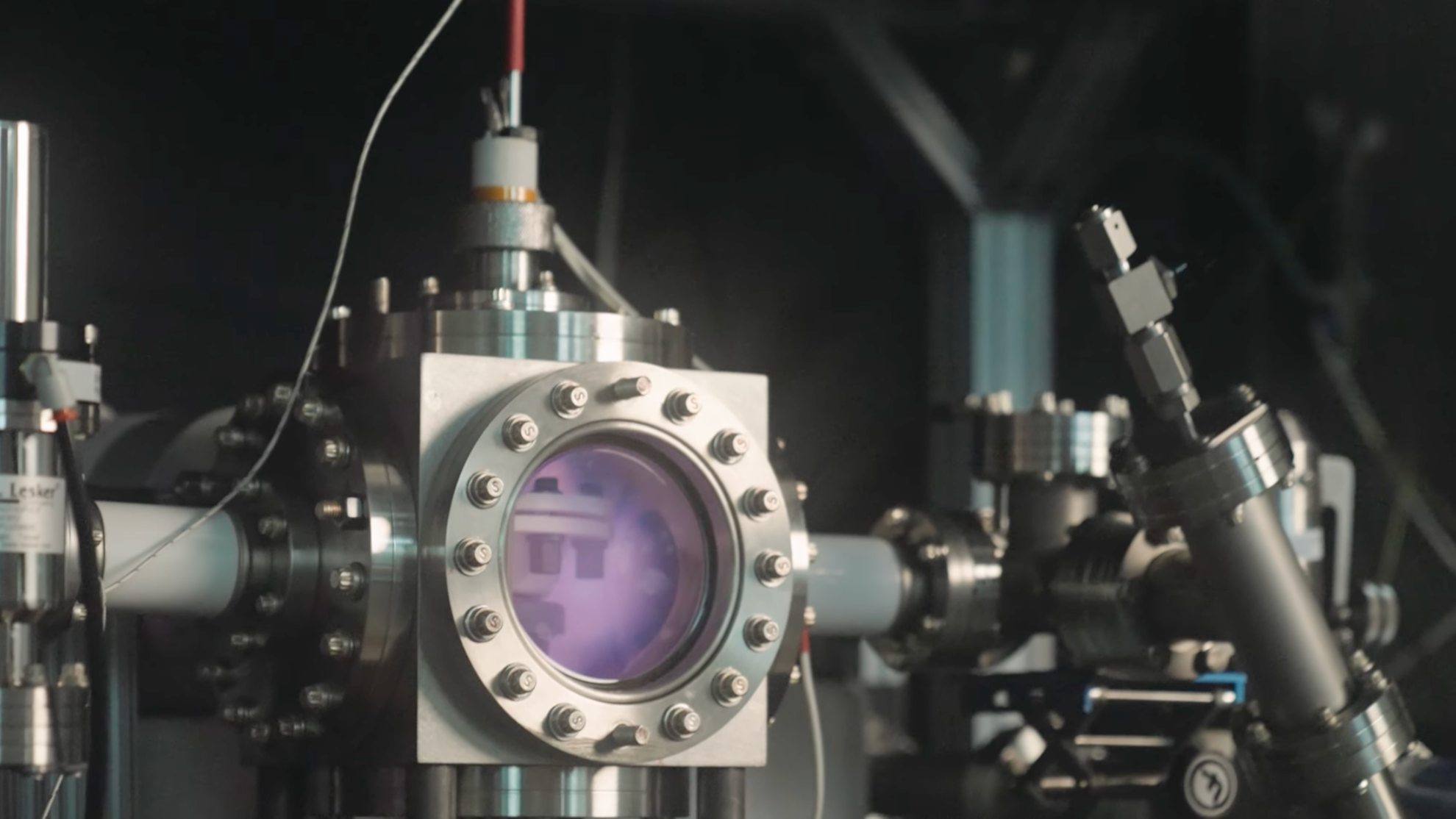
Thuwal, Saudi Arabia — In a development that is already being described by observers as a turning point in human history, scientists at King Abdullah University of Science and Technology (KAUST) have announced the successful creation of an energy system that appears capable of producing continuous power without depletion.
The research team revealed a functioning device that, once activated, maintains a stable and sustained energy output with no measurable fuel consumption over time. If independently verified, the discovery could mark the end of energy scarcity as a defining constraint on modern civilization.
The announcement was made during a closed technical briefing attended by international physicists, energy analysts, and representatives from multiple government agencies. According to those present, the system operated continuously throughout the demonstration period without any observable decline in performance or need for external input beyond initial activation.
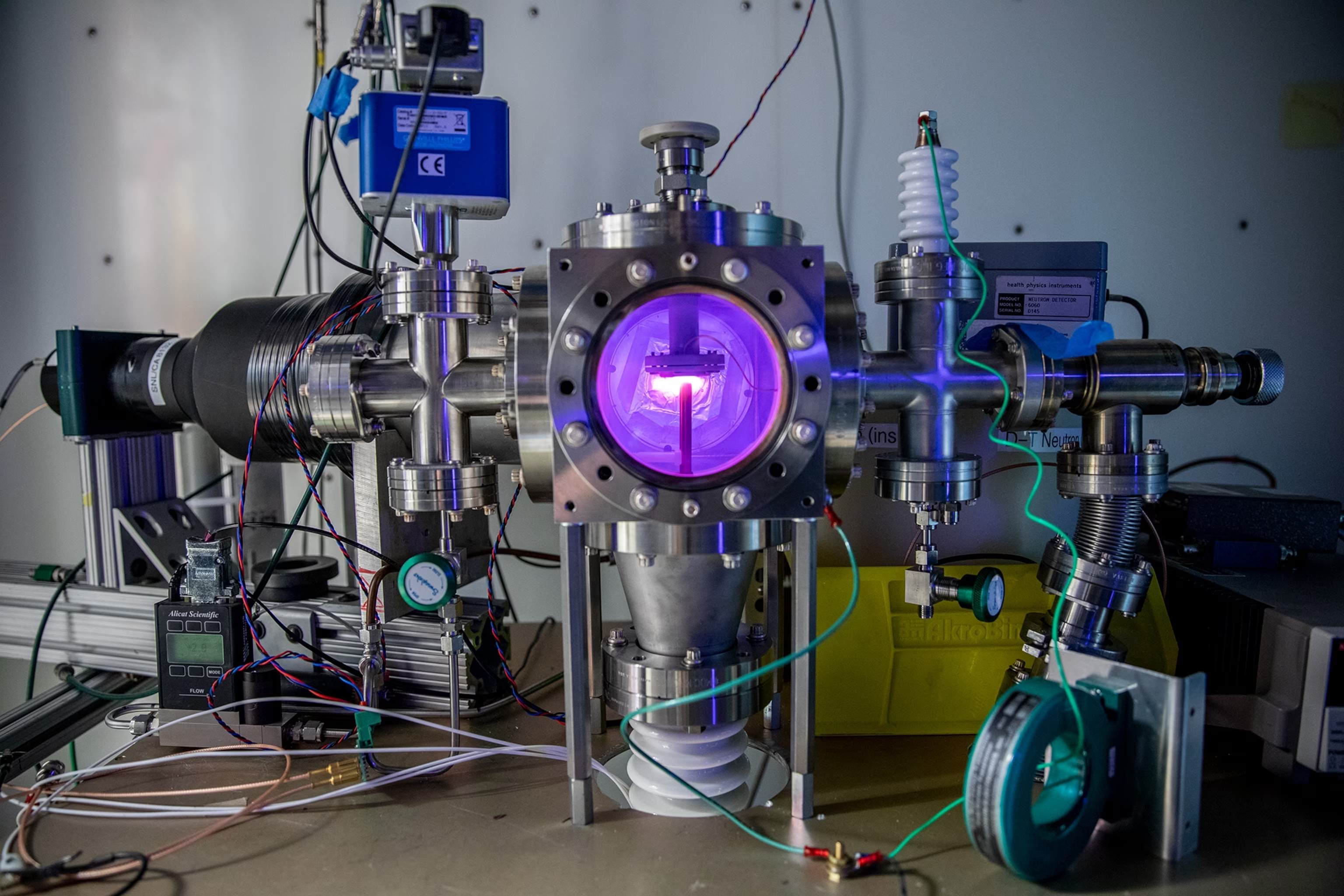
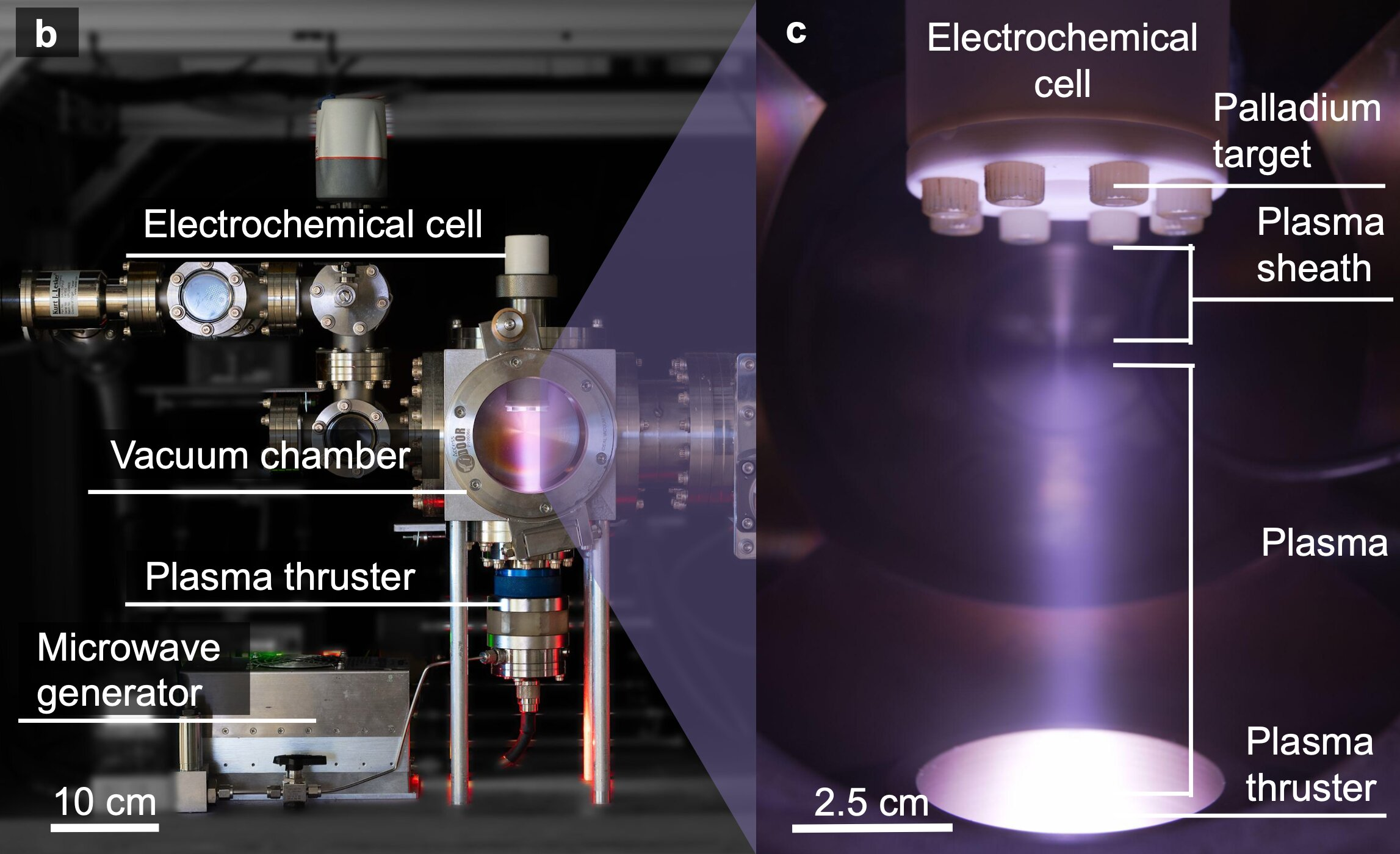
Lead researcher Dr. Omar Al-Khatib described the achievement as a fundamental shift in how energy is understood and produced. He stated that the system relies on a self-sustaining plasma state maintained within a highly controlled electromagnetic environment. This configuration allows the reaction to perpetuate itself once initiated, effectively eliminating the need for ongoing fuel sources.
Unlike conventional nuclear fusion approaches, which require extreme temperatures and massive infrastructure, the KAUST system appears to operate under comparatively moderate conditions. The reaction is stabilized through a combination of magnetic confinement and resonance tuning, enabling continuous energy release without the instabilities that have historically limited fusion research.
Independent Verification
Independent observers present at the demonstration noted that the system remained stable for the duration of testing, with energy output remaining constant. Preliminary measurements indicated net-positive energy generation, with output exceeding input requirements by a significant margin. Radiation levels were reported to be minimal and within internationally accepted safety thresholds.
Global Implications
The implications of such a development are difficult to overstate. A reliable source of continuous, clean energy would fundamentally alter global economics, geopolitics, and environmental strategy. Dependence on fossil fuels could diminish rapidly, while access to low-cost energy could expand dramatically across both developed and developing regions.
Energy analysts suggest that widespread implementation of such a system would accelerate advancements in multiple sectors, including large-scale water desalination, industrial manufacturing, and long-duration space exploration. The potential to provide stable power without fuel logistics or emissions could also transform infrastructure planning on a global scale.
Scientific Response
Despite the extraordinary nature of the claims, the scientific community has responded with cautious interest rather than outright skepticism. This is largely due to the presence of third-party observers and the apparent transparency of the initial demonstration. The International Atomic Energy Agency has confirmed that it is preparing to review the technical data and conduct independent validation procedures.
KAUST officials have stated that the next phase of research will focus on replication, long-term stability testing, and scaling the system for industrial application. Discussions with international partners are already underway, although the university has not yet disclosed details regarding potential deployment timelines.
A New Era?
If the findings are confirmed, this breakthrough would represent more than a technological milestone. It would signal a profound shift in the relationship between humanity and energy, removing one of the most persistent limitations on economic growth and technological progress. For the first time, the concept of effectively unlimited energy would move from theoretical possibility to engineered reality.